Container Testing and Inspection Software for Logistics: Revolutionizing Operations

Container testing and Inspection software

Container Testing and inspection software

The logistics industry is rapidly adopting technology to optimize operations, and container testing and inspection software for logistics is at the forefront of this transformation. By automating critical testing processes, such as gas filling, water testing and inspections, logistics professionals can ensure the safety, integrity and compliance of containers—enhancing operational efficiency and minimizing errors.

Why Container Testing and Inspection Software for Logistics is a Must-Have

For logistics businesses handling vast fleets of containers, ensuring the safety and integrity of every unit is critical. Traditional methods of manual testing and inspection are often slow, prone to human error, and inefficient. However, container testing and inspection software for logistics helps to streamline these tasks by automating the entire process, improving the accuracy of inspections, and ensuring that containers meet regulatory standards.

Key benefits include:

  • Automated Testing: Eliminates manual intervention and human error.
  • Improved Accuracy: Ensures precise and timely test results for every container.
  • Compliance and Safety: Meets industry regulations with ease, reducing the risk of faulty containers.

With features like automatic container tracking software and real-time data logging, logistics operators can focus on delivering services without worrying about manual errors or delayed inspections.

Features of the Best Container Testing and Inspection System for Logistics

Modern container testing and inspection software for logistics comes equipped with several advanced features designed to optimize operations:

  1. Automated Documentation and Compliance Tracking
    Every test parameter, including gas filling, water testing, and inspection results, is automatically recorded. This automation ensures that all testing data is compliant with industry regulations, providing error-free documentation for audits.
  2. Multiple Testing Methods Support
    The software supports various types of testing methods, including water tests, gas filling, and custom inspections, accommodating different container types and ensuring comprehensive checks for container integrity.
  3. Centralized Data Storage and Access
    All test results are stored in a centralized system, making it easy to access, review, and audit records for container logistics software. Whether it’s for compliance audits or operational reviews, centralized data enhances transparency and traceability.
  4. Integration with Container Maintenance and Repair System
    Container maintenance and repair systems are seamlessly integrated with testing software, enabling real-time tracking of container conditions. Any issues identified during testing can be flagged for immediate repair, ensuring the fleet remains operational and safe.


How Container Tracking Software Improves Service Quality?

The integration of container testing and inspection solution not only improves operational efficiency but also elevates service quality. Faulty or non-compliant containers are flagged early in the testing process, preventing them from entering the supply chain. This proactive approach helps logistics companies avoid delays, enhance customer satisfaction, and reduce costs associated with faulty containers.

By using container tracking software, companies can easily track the condition and status of each container, ensuring that only those in optimal condition are used for shipping.


Automated Container Tracking System: A Competitive Advantage for Logistics

Investing in modern container testing and inspection system provides logistics companies with a competitive edge in an increasingly complex and fast-paced industry. Here’s how this software improves your bottom line:

  • Efficiency Gains: Automates time-consuming tasks, reducing operational overhead.
  • Enhanced Compliance: Automatically records testing data for compliance and audits.
  • Real-Time Monitoring: Provides visibility across the entire supply chain, ensuring containers are tracked and maintained throughout their lifecycle.

With logistic warehouse and container tracking systems, logistics companies can gain full control over their operations, improving both transparency and decision-making.


Final Thoughts

In today’s highly competitive logistics landscape, container testing and inspection software is no longer optional—it’s a necessity. By automating testing processes, integrating maintenance systems, and centralizing data storage, this software allows logistics companies to reduce risk, improve efficiency, and deliver superior service to customers.

The future of logistics lies in automation and smart software solutions. Don’t fall behind—embrace container testing and inspection software for logistics to optimize your operations, boost container integrity, and stay ahead of the competition.
 

Unlock Warehouse Space Optimization with WMS Bin Storage Solutions

Warehouse Management Software

Warehouse Management Software
In the highly competitive world of logistics, achieving peak efficiency in warehouse operations is a must. With the increasing demand for quicker delivery times and optimal space usage, warehouse space optimization has become a top priority for businesses. Smart bin allocation systems and Warehouse Management System (WMS) are at the forefront of this transformation, providing logistics coordinators, warehouse managers, and supply chain professionals with the tools they need to streamline operations and maximize space efficiency.

The Power of WMS Bin Allocation for Warehouse Space Optimization

The key to warehouse space optimization lies in how inventory is organized. Smart bin allocation uses sophisticated algorithms to assign bins based on product type, size, and demand patterns. This dynamic approach allows businesses to make the most of their available warehouse space, eliminating inefficiencies and ensuring products are stored in the most accessible locations.

For instance, a smart Warehouse Bin Allocation System can automatically adjust bin assignments based on real-time changes in inventory, such as seasonal spikes or urgent orders. This adaptability ensures the warehouse layout remains optimized even during fluctuations in stock levels, improving overall productivity.

Real-Time Reallocation: Adapting to Changing Needs

Warehouses are fast-paced environments and Real-Time Reallocation plays a crucial role in maintaining an optimized layout. When inventory levels change or customer-specific needs evolve, real-time reallocation allows managers to instantly adjust bin placements to ensure space is used effectively. Whether it’s freeing up space for new products or redistributing inventory across bins, this feature helps businesses stay agile and responsive.

Customer-Specific Configurations: Tailored for Precision

Customer-specific configurations take warehouse optimization further by tailoring storage strategies to meet unique client requirements. This capability allows warehouse managers to assign priority locations or specific bins based on customer preferences, product specifications, or shipping needs. With our warehouse storage solutions, businesses can enhance service reliability and improve customer satisfaction, all while maximizing storage efficiency.

Automated Alerts and Performance Tracking: Data-Driven Optimization

Efficient warehouse management requires continuous monitoring, and with Automated Alerts, WMS users are notified in real time when bins are full or need reallocation. These notifications help prevent underutilized spaces and ensure smooth operations. Additionally, Performance Tracking offers detailed analytics on bin usage and space efficiency. By understanding how space is being utilized, managers can make informed decisions to further optimize storage strategies.

Integrating warehouse management systems (WMS) with smart bin allocation features takes space optimization to the next level. Warehouse Management System provides a unified platform to manage all aspects of inventory, from real-time updates and reallocation to performance analysis. These systems ensure the warehouse space is used to its fullest potential, improving picking accuracy, reducing transit times, and boosting order fulfillment rates.

Benefits of Warehouse Space Optimization

Adopting smart bin allocation and WMS solutions delivers numerous advantages for businesses
Increased storage capacity: Optimized bin placement allows more inventory to be stored without expanding physical space.
Faster order fulfillment : Well-organized warehouses reduce picking time, leading to faster shipping and better customer experiences.
Cost savings: By using space more efficiently and reducing errors, businesses can lower operational costs.

Take control of your warehouse operations today. Discover how our WMS and bin allocation & reallocation solutions can transform your space management for better results.

SNSF Enhances Quotation Process with Multi-Agent Freight Quote Software

freight quote software

freight quote software

Store’n Ship Fast (SNSF) has once again set a new benchmark in logistics and freight forwarding with the launch of its Multi-Agent Freight Rate Comparison Tool. This innovative feature is specifically designed to optimize the Freight quote management process, enabling logistics managers to make well-informed decisions and secure the most competitive rates for their shipments with enhanced speed and efficiency.

Streamlined Freight Quote Management for a Competitive Edge

The new Multi-Agent Freight Rate Comparison Tool revolutionizes how freight forwarders and logistics companies request and compare rates. By allowing users to simultaneously obtain rate sheets from multiple agents across air, sea, and road transportation modes, SNSF ensures a clear, side-by-side price comparison that simplifies decision-making. This tool is ideal for businesses seeking to streamline their supply chain operations, optimize costs, and enhance their competitive edge in the logistics industry.

In the past, gathering quotes for various transportation modes was often time-consuming and complex, leading to operational inefficiencies. The Multi-Agent Freight Rate Comparison Tool changes that by enabling users to manage rate requests and comparisons from a single, unified platform. This not only reduces manual efforts but also minimizes the risk of missing favorable rates, helping users identify the best shipping options tailored to their unique requirements.

Seamless Integration with Freight Forwarding Software

SNSF’s Multi-Agent Freight Rate Comparison Tool integrates effortlessly with existing freight forwarding software solutions, making it an indispensable addition to any freight management system. This feature is especially beneficial for logistics managers, freight forwarders, and supply chain professionals looking to streamline their processes and gain better control over their logistics expenses. The tool also supports customs clearance quotes, providing users with a complete overview of all associated costs and ensuring no surprises when finalizing shipments.

Comprehensive Rate Management Across All Transport Modes

Another notable advantage of the Multi-Agent Freight Rate Comparison Tool is its ability to support all modes of transport under a single interface. Whether handling air freight forwarding, ocean shipping, or road transport, users can efficiently manage and compare quotes for each option without switching between platforms. This cohesive experience reduces complexity and allows businesses to stay agile in a rapidly changing market.

With the introduction of this feature, SNSF reaffirms its commitment to innovation and excellence in delivering robust freight logistics software solutions. By enabling transparent price comparisons and helping users secure the most advantageous rates, SNSF’s new tool is poised to transform the way logistics companies manage their freight quotes. Businesses leveraging this feature can expect increased efficiency, cost savings, and improved customer satisfaction.

For more information on how SNSF’s Multi-Agent Freight Rate Comparison Tool can elevate your freight quote management process, visit Store’n Ship Fast. Discover how this cutting-edge tool can streamline your rate management and elevate logistics operations today!

Optimizing Warehouse Management System for Effective Claims and Damage Handling

Warehouse Management System

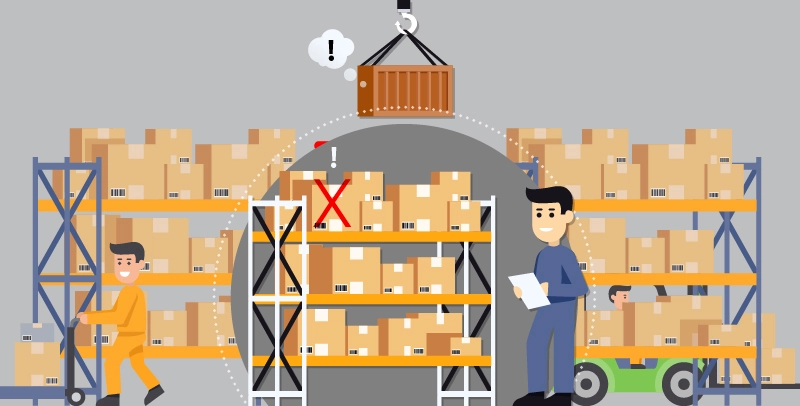
Warehouse Management SystemIn manufacturing, effective damage and claim management within warehouse operations can be a game-changer. For logistics managers, warehouse managers, and third-party logistics (3PL) providers, minimizing losses, reducing operational downtime, and maintaining customer trust are top priorities. With the right warehouse management system (WMS), businesses can not only streamline these processes but also boost efficiency by automating damage detection, real-time inventory tracking and claims resolution.

Automating Damage Detection and Recording for Warehouse Management

A key challenge in any warehouse is the accurate documentation of damaged products during receiving or handling. A robust damage reporting system for WMS solves this problem by automating the recording process. The system meticulously logs every instance of damage, detailing the item type, quantity, and condition, which reduces the chances of oversight or human error. With damage detection software for warehouse management, logistics teams can ensure that all damaged products are recorded in real-time, allowing quicker responses and smoother operations.

Automated Warehouse Management System for Efficient Resolution Workflow

Once damaged goods are identified, an automated WMS initiates a quarantine process, separating the damaged items from the regular inventory to prevent further complications. The WMS ensures that the damaged products are moved to a designated area for assessment, storage, or return as per customer instructions. A streamlined resolution workflow enables seamless transitions from quarantine to storage or replacement, reducing downtime and maintaining operational flow. This automation ensures that every step is efficiently managed, saving time and preventing bottlenecks.

Real-Time Warehouse Inventory Tracking and Customer Communication

In warehouse management, real-time tracking is essential for maintaining transparency and trust with customers. With real-time warehouse inventory tracking, the WMS automatically notifies customers via detailed reports when product damage is detected. These notifications contain crucial information such as the type and severity of the damage, along with actions being taken to resolve the issue. This transparency builds customer confidence, knowing their concerns are handled promptly and professionally.

Streamlined Claims Management

Handling product claims efficiently is vital for maintaining operational and financial control. A Warehouse Management System for Claims & Damage Handling centralizes claim records, enabling swift processing by warehouse teams and the QHSE (Quality, Health, Safety, and Environment) department. This centralization ensures that claims are managed accurately, reducing delays in compensation and replacements while ensuring compliance with safety standards.

Safeguarding Warehouse Infrastructure

In addition to product damage, warehouses need to monitor the infrastructure itself. An automatic warehouse damage detection system can flag issues like damaged warehouse racking and other critical areas, allowing timely intervention before it impacts operations. This preventive approach ensures warehouse infrastructure remains safe, reducing the risk of further damage to goods and maintaining workplace safety.

Conclusion

A well-designed WMS, with features like automated damage detection, real-time warehouse inventory tracking, and centralized claims management, is essential for the manufacturing industry. By addressing common warehouse challenges and ensuring seamless operations, this system empowers logistics and warehouse managers to minimize losses, maintain customer trust and ensure smooth operations.

Contact us to explore our advanced automated warehouse management solutions and transform your damage and claims handling.


Join Us at CII SeAiRo Expo 2024!

SNSF Expo


SNSF Expo

The “CII SeAiRo Expo 2024” is set to be a premier event in the logistics sector, showcasing the latest innovations across Sea, Air, Rail, and Road logistics. From September 26-28, 2024, at the Chennai Trade Centre, this expo provides a unique platform for industry professionals to explore cutting-edge advancements and transformative technologies driving the future of logistics and supply chain management.

We are pleased to announce our participation in this esteemed event. Visit us at Stall No. 7 to discover our advanced Logistics ERP Software, specifically designed to streamline and optimize logistics operations. Our team will be available throughout the expo to demonstrate our software’s capabilities and discuss how it can address the evolving needs of the logistics industry. Join us at the Chennai Trade Centre to learn how our solutions can enhance your operational efficiency and drive business growth.

Complete Logistics Control: Explore Our ERP Software Features

  • Warehouse Management
  • Freight Forwarding
  • Depot Management
  • User Management
  • Transport Management
  • Customer Relationship Management
  • Quotation Management
  • Document Management

These integrated functionalities provide a unified solution to enhance operational efficiency, improve data accuracy, and optimize inventory management, ultimately enabling businesses to achieve greater control over their logistics processes.

We welcome you to visit us at Stall No. 7 to discover how our software can revolutionize your logistics operations. Let’s take your logistics and supply chain management to the next level together.

Don’t miss out on the event of the year! Avail your passes for the Expo now.

Connect with us through WhatsApp or give us a call today!


+91-9381066669


+91-8098002982

Hurry, limited passes are available! See you at the Expo!

Automated EIR IN Inspection in Depot Management Software

depot management software

depot management software

In the high-stakes world of logistics, where accuracy and speed are paramount, the latest advancements in depot management software are setting new standards for the EIR IN inspection process. For logistics & depot managers, third-party logistics (3PL) providers, and maintenance and inspection teams, these innovations are transforming how container inspections are conducted, making them more efficient and reliable.

Elevating Container Inspections

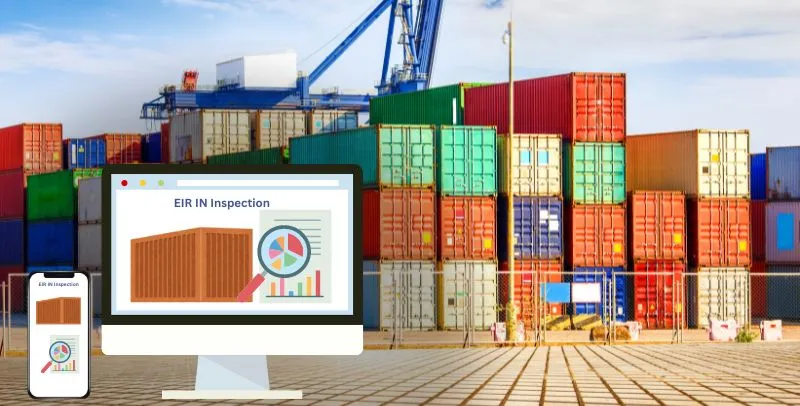
When a container arrives and is marked as EIR IN, it signals the start of a crucial inspection phase designed to identify any potential damage before the container is used. Traditional manual inspections can be prone to errors and inefficiencies, that can impact overall operations. Enter the new generation of depot management software, featuring automated damage detection tools that revolutionize the inspection process.

These automated inspection systems utilize advanced technology to detect and assess container damages with unprecedented accuracy. By integrating these tools, container inspection systems enhance the precision of container inspections, reducing the chances of human error and speeding up the inspection process. This not only improves operational efficiency but also ensures that containers are thoroughly vetted before being entered into the supply chain.

Real-Time Reporting and Enhanced Transparency

One of the standout features of the latest depot management software is its real-time reporting capability. This system ensures that any detected damages are immediately communicated to the customer. For logistics managers and depot managers, this means faster decision-making and effective issue resolution. Real-time shipping trackers facilitate prompt repairs or other necessary actions, minimizing delays and operational disruptions.

Additionally, the enhanced tracking system embedded in the container depot management software provides comprehensive documentation of the inspection process. This includes detailed reports and photographs of any identified damages. For third-party logistics providers and maintenance teams, having access to this transparent and thorough documentation is invaluable. It not only helps in addressing claims or disputes efficiently but also builds trust with clients by providing clear and accessible information about container conditions.

Optimizing the EIR IN Inspection Workflow

The integration of these advanced tools into depot management software streamlines the EIR IN inspection workflow. From the moment a container arrives until the inspection is complete, every step is optimized for efficiency. Automated inspection systems ensure that inspections are conducted swiftly and accurately, while real-time reporting and tracking keep all stakeholders informed and engaged.

For logistics managers, depot managers, 3PL providers, and maintenance teams, adopting this cutting-edge technology means a more reliable and transparent inspection process. The result is enhanced operational performance, reduced risk of errors, and improved customer satisfaction.

In conclusion, the automation of the EIR IN inspection process through advanced depot management software represents a significant leap forward in logistics operations. By combining automated damage detection, real-time reporting, and comprehensive tracking, these systems offer a robust solution for managing container inspections efficiently and effectively.

Transform your container inspections with advanced automated systems—contact us today to streamline your EIR IN process!

Store’n Ship Fast Revolutionizes Warehouse Management with Automated Inventory Solutions

automated inventory management systems

automated inventory management systems

In the realm of warehouse management, managing inbound operations can be predominantly challenging, especially when it comes to part registration and storage calculation. The complexity of materials arriving in various configurations necessitates an advanced system to manage the intricate details efficiently. Store’n Ship Fast (SNSF) is stepping up to the challenge with their latest features aimed at revolutionizing warehouse management systems.

Automated Storage Calculations for Enhanced Accuracy

One of the significant hurdles in warehouse management is ensuring accurate storage calculations. With materials arriving in different configurations—whether it’s a master box for storage, a master box with inner boxes, a master box with inner boxes and individual items (Pcs), or a master box with individual items (Pcs)—the process can quickly become convoluted.

SNSF’s inventory management system tackles this issue head-on with automated storage calculations. By automating this critical task, SNSF ensures that storage calculations are precise, regardless of inbound complexity. This cuts the possibility of errors and enhances the overall efficiency of warehouse operations.

Unique Serial Number Tracking for Efficient Management

Managing a diverse range of components, each with its own unique serial number, can be a daunting task. The complexity is amplified when dealing with master boxes, inner boxes, and individual items. SNSF addresses this challenge with its advanced unique serial number tracking feature.

This feature enables warehouses to manage master boxes, inner boxes, and individual items efficiently. By assigning unique serial numbers to each component, SNSF’s warehouse management system ensures that every item is accurately tracked, reducing the risk of misplacement and inventory discrepancies.

Enhanced Inventory Management to Minimize Errors

The cornerstone of any warehouse operation is inventory management. Errors in inventory handling can lead to significant disruptions and financial losses. SNSF’s enhanced inventory management feature is designed to minimize these errors through automation and precision.

By integrating automated inventory management systems, SNSF provides warehouses with a robust solution to handle their inventory with greater accuracy. This results in fewer mistakes, increased efficiency, and an enhanced inbound process. The system’s ability to handle complex inbound operations makes it an indispensable tool for modern warehouses.

The Future of Warehouse Management with SNSF

StoreNShipFast’s commitment to innovation is evident in their latest features aimed at revolutionizing warehouse management systems. By automating storage calculations, implementing unique serial number tracking, and enhancing inventory management, SNSF provides warehouses with the tools they need to operate efficiently and effectively.

Discover how SNSF’s automated inventory management systems can transform your warehouse operations. Visit Store’n Ship Fast today and explore our cutting-edge solutions for efficient inventory management.

Optimize Warehouse Space with SNSF’s Automated WMS Solutions

warehousse automation solutions

warehousse automation solutions

In today’s fast-paced logistics environment, efficient warehouse management is paramount. SNSF’s Automated Warehouse solution offers a cutting-edge solution to optimize storage space, streamline operations, and boost warehouse efficiency. This software is designed for logistics managers, supply chain coordinators, warehouse managers, and freight forwarders—an advanced system with next-level efficiency.

Key Features:

  • Automatic Storage Location Identification: Our system intelligently determines the optimal storage location for each item, maximizing space utilization and reducing search times.
  • Customer-specific BIN mapping: Tailor your storage strategy to individual customers by assigning dedicated BIN locations based on their specific needs.
  • Cubic Scanning Integration: Precisely measure item volume to optimize space allocation and prevent wasted storage.
  • Automated Matching Process: seamlessly match items to suitable BINs, minimizing errors and improving efficiency.
  • Dynamic BIN Reassignment: Continuously optimize space utilization by reallocating BINs based on changing inventory levels.

Benefits:

  • Streamlined Inbound Process: Accelerate receiving and put-away operations, reducing labor costs and increasing throughput.
  • Enhanced order fulfillment: Locate and retrieve things quickly to improve order accuracy and customer satisfaction.
  • Reduced warehouse costs: optimize space utilization, minimize storage equipment needs, and lower operational expenses.
  • Improved Inventory Management: To prevent stockouts or overstocks, maintain accurate inventory records.
  • Data-Driven Decision Making: leverage real-time data and analytics to optimize warehouse performance.

How It Works:

Our automated warehouse management system leverages inventory management automation and automated stock management system principles to optimize warehouse operations. By utilizing automated storage and retrieval system technology, we create automated storage warehouse environments where items are efficiently stored and retrieved.

Our system functions as an automated warehouse inventory system, accurately tracking and managing inventory levels. Through advanced algorithms and warehouse automation solutions, we optimize warehouse space optimization by determining the best storage locations using automated warehouse storage solutions. This automated technology for warehouses significantly enhances logistic effectiveness and productivity.

 Conclusion:

SNSF’s WMS empowers you to transform your warehouse into a high-performance operation. By optimizing space, streamlining processes, and improving accuracy, our solution delivers significant benefits. Contact us today to learn how our automated warehouse solution can revolutionize your logistics operations.

Optimize Your Warehouse Today! Contact Us for a Free Consultation.

How WMS Handles Inbound vs Outbound UOM for Accurate Inventory Management

Inbound and Outbound Inventory

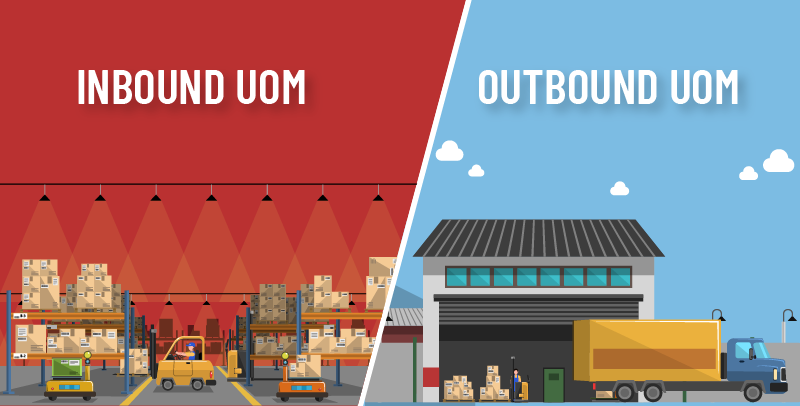
Inbound and Outbound InventoryPrecise inventory management is essential for both operational efficiency and customer happiness in the fast-paced world of supply chain management and logistics. Inventory tracking and management require a strong warehouse management system (WMS). Maintaining correct inventory records and streamlining operations require warehouse managers, supply chain experts, and inventory management specialists to comprehend how a WMS handles inbound and outbound units of measurement (UOM).

Enhanced Dual-Level Tracking

The capacity of an advanced warehouse inventory management system to track inventory at several levels is one of its main benefits. A WMS offers a detailed view of the stock by managing inventory at both the inner box and master box levels. For example, a master box may have multiple inner boxes, each containing a different item. The WMS provides a thorough perspective of inventory by tracking both the master and inner boxes, which lowers inconsistencies and increases stock accuracy. Warehouse professionals who want to maintain accurate records and optimize processes will find this dual-level tracking helpful.

Detailed Stock Management

Monitoring inventory in all forms—from individual to bulk outbound and inbound goods—is essential for effective inventory stock management. Generally, bulk units or huge quantities of items are received when they arrive at the warehouse. Accurate recording of these bulk units as they enter the system is made possible by a complex WMS. The WMS switches to tracking individual outbound products as these bulk units are divided for picking and packing. Every inventory time is tracked from the time it enters the warehouse until it departs, thanks to this meticulous stock management. This feature is essential for warehouse professionals to maintain correct inventory records and optimize the picking and packaging procedures.

Improved Reporting and Analytics

Supply chain experts consider it beneficial as they conclude thorough documentation. A WMS that precisely records units of measurement entering and leaving the system offers an abundance of information that can be examined to improve decision-making. Managers can spot patterns, keep an eye on stock levels, and forecast their future inventory requirements with the help of comprehensive reporting and analytics tools. This degree of understanding aids in streamlining warehouse operations, cutting down on stockouts and overstock, and eventually raising customer satisfaction. Inventory control and warehouse stock management require the enhanced reporting and analytics that a WMS provides.

Conclusion

In summary, the way WMS handles inbound and outbound UOM is critical for accurate inventory management. Enhanced dual-level tracking ensures detailed visibility at both the master and inner box levels. Detailed stock management allows precise monitoring of bulk inbound units and individual outbound items. Finally, improved reporting and analytics provide valuable insights that help warehouse managers optimize operations and make informed decisions.

Purchasing a WMS is adept at managing UOM and can provide professionals in the supply chain and logistics sectors with a competitive edge and an effective warehouse operation. Using these cutting-edge WMS features helps the company develop and succeed overall while streamlining inventory management. Warehouse professionals can guarantee the accuracy of their warehouse stock management system, optimize warehousing and operations, and improve their inventory control system by utilizing the power of an advanced WMS.

Optimize inventory with an advanced WMS for efficient operations. Upgrade your system today!

Boosting Trust & Security in Logistics with Two-Factor Authentication

Two Factor Authentication 2FA

 Two Factor Authentication 2FA

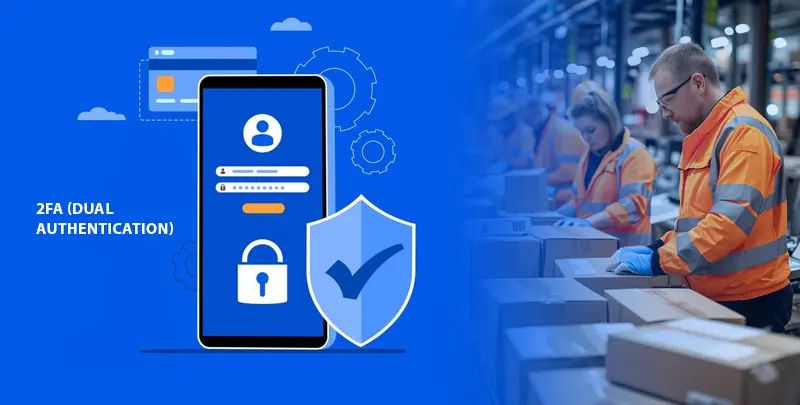
In today’s digital age, efficiency across all aspects of logistics is crucial. This includes robust systems like Warehouse Management Systems (WMS), Customer Management Systems (CMS), Transportation Management Systems (TMS), Freight Forwarding Systems (FFS), and Depot Management Systems (DMS). However, these systems, brimming with sensitive data like customer details, order information, and inventory specifics, are prime targets for unauthorized access. Here’s where Two-Factor Authentication (2FA), also known as double authentication or dual authentication, emerges as a powerful defense, significantly bolstering security across your entire logistics network.

Double the Gatekeepers, Double the Security

2FA surpasses basic password logins by requiring an extra verification step beyond just a password. This second factor, which could be a hardware token, a fingerprint scan, or a temporary code on your phone, significantly strengthens security. Even if a bad actor manages to obtain your password, they’ll still be locked out without that crucial second factor. This dual authentication access control makes unauthorized access to critical logistics systems considerably more difficult.

Benefits Beyond the Firewall

Implementing 2FA unlocks a treasure trove of advantages for your entire logistics operation:


  • Enhanced Security:

    The two-factor approach drastically reduces the risk of unauthorized access by adding a crucial second layer of verification. This shields sensitive data across all your logistics systems, from customer details in your CMS to inventory specifics in your WMS.


  • Boosted Trust:

    By taking security seriously and implementing 2FA, you demonstrate your commitment to robust security practices. This builds trust with your clients and partners as they can be assured their data is secure throughout the entire supply chain.


  • Regulatory Compliance:

    Many data security regulations mandate stringent authentication procedures. 2FA adds an extra layer of protection, aiding compliance with these standards and minimizing the risk of hefty fines for non-compliance across all your logistics systems.


  • Flexible Implementation:

    The beauty of 2FA lies in its adaptability. You can choose a method that aligns best with your needs, from user-friendly mobile authentication apps to deploying fingerprint scanners. This flexibility ensures seamless implementation without compromising security across your entire logistics network.

Investing in a Secure Future


The logistics landscape, along with cyber threats, is constantly evolving. By implementing 2FA, you’re investing in a future-proof system that safeguards your current operations and prepares you for emerging threats. This proactive approach strengthens your digital defenses, allowing you to focus on streamlining operations across your entire logistics network with confidence.

Seize Control of Secure Logistics

Become a leader in secure logistics by making dual authentication access control a cornerstone of your entire logistics network. This demonstrates your unwavering commitment to data protection while fostering trust and confidence among all participants in the supply chain. Prioritizing robust access control paves the way for more resilient and secure logistics operations that can weather any storm.

Ready to unlock the power of 2FA and safeguard your entire logistics network? Explore solutions and take your logistics security to the next level!

Simplify & Automate: New Dynamic Job Types in Logistics

logistics and supply chain management

logistics and supply chain management

The logistics industry thrives on efficiency and agility. Every second saved, every process streamlined translates to happier customers and a competitive edge. This is where Dynamic Job Types emerge as a game-changer, offering a powerful approach to simplify and automate logistics operations.

Standardized Processes for a Dynamic World

Say goodbye to the endless cycle of setting up the same processes for each client. Dynamic Job Types act as a centralized repository, allowing you to define standardized yet customizable job types for activities like freight forwarding, warehousing, and customs clearance. These pre-defined templates ensure consistency across your operations, minimizing redundant tasks and freeing your team to focus on what matters most: strategic supply chain management and delivering exceptional customer service.

Seamless Integration for Total Control

Dynamic Job Types offer a one-stop shop for managing your entire logistics workflow. Imagine seamlessly mapping these job types to line items, job statuses, documents, and even terms and conditions. This level of integration eliminates data silos, empowering you to track progress with laser focus, manage resources effectively, and ensure smooth execution at every stage. This translates into enhanced operational agility, allowing you to adapt to changing circumstances with lightning speed, ultimately creating a more responsive transportation & freight network.

Tailored Solutions for Unmatched Customer Satisfaction

The beauty of Dynamic Job Types lies in their flexibility. Go beyond standardized templates and create bespoke job types that cater precisely to your clients’ unique needs. Need a specific combination of air freight, IOR/EOR services, and road transportation? No problem! Dynamic Job Types allow you to mix and match services into a single, tailored solution, showcasing your agility and responsiveness. By effortlessly catering to diverse customer demands, you’ll cultivate lasting relationships and drive unmatched customer satisfaction.

Unlocking the Benefits for Logistics Powerhouses

The implementation of Dynamic Job Types unlocks a treasure trove of benefits that empower you to dominate the competitive landscape:


  • Increased Efficiency:

    Standardized processes lead to faster task completion times and maximized resource utilization, freeing up your team to focus on strategic initiatives.


  • Reduced Errors:

    Clear job definitions minimize confusion and ensure tasks are completed accurately, minimizing the risk of costly errors and delays.


  • Enhanced Operational Agility:

    Dynamic Job Types allow for quicker adaptation to changing market conditions and customer requirements, keeping you ahead of the curve.


  • Reduced Costs:

    Streamlined operations and fewer errors translate to significant cost savings in the long run, improving your bottom line.


  • Improved Customer Satisfaction:

    Consistency in service delivery and the ability to cater to unique needs leads to happier and more loyal customers.

Embrace Innovation & Lead the Way

In today’s dynamic logistics landscape, embracing innovation is the key to staying ahead of the competition. Dynamic Job Types offer a powerful solution to simplify and automate operations, leading to increased efficiency, agility, and ultimately, a competitive edge. Don’t wait! Start exploring the possibilities of Dynamic Job Types and unlock the full potential of your logistics operations. As you streamline your workflow and boost your responsiveness, you’ll be well-positioned to lead the way in the ever-evolving world of logistics & supply chain management.

Schedule a free demo today to see how Dynamic Job Types can streamline your workflow, boost efficiency, and empower you to deliver exceptional customer service.

The Strategic Role of Third-Party Warehousing in the Logistics Supply Chain

Third Party Warehousing In Supply Chain Management

Third Party Warehousing In Supply Chain Management

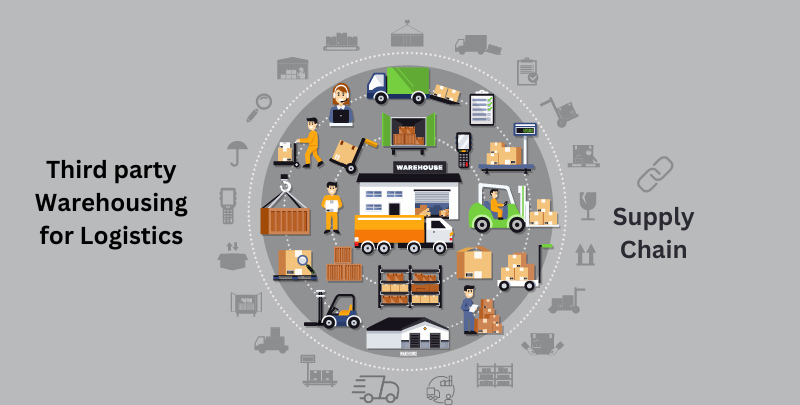
Embracing Efficiency, Flexibility, and Cost-Effectiveness is critical in the dynamic sector of logistics and supply chain management. Understandably the strategic role of Third-party warehouse management is becoming increasingly prominent for this reason. As businesses strive for efficiency, flexibility, and cost-effectiveness, outsourcing storage and distribution functions to specialized providers has emerged as a crucial strategy. Let’s look into how third-party warehousing services are remodeling the industry and driving operational excellence for many stakeholders.

Space Optimization: Enhancing Storage Efficiency

At the heart of third-party warehousing lies a plethora of benefits, offering businesses the agility to adapt to fluctuating market demands while minimizing operational complexities. One of the key advantages is efficient inventory tracking, which is key to effective supply chain management. By leveraging advanced tracking technologies, third-party warehouses ensure real-time visibility into inventory levels, effectively facilitating accurate demand forecasting and inventory optimization.

Streamlined Order Fulfillment: Accelerating Processes for Customer Satisfaction

Moreover, third-party warehouses optimize storage solutions, besides maximizing space utilization and minimizing storage costs. Through innovative storage techniques and layout optimization, these facilities can accommodate varying inventory volumes and SKU requirements, thereby enhancing overall storage efficiency.

Enhanced Supply Chain Visibility: Empowering Proactive Decision-Making

Streamlining order fulfillment processes is another critical aspect where third-party warehousing excels. With dedicated resources and expertise in place, these providers can expedite order processing, reduce lead times, and thus enhance customer satisfaction. By leveraging automated warehouse logistics, businesses can achieve faster order cycle times and meet evolving customer expectations.

Value-Added Services: Augmenting Offerings for Optimal Efficiency

Furthermore, third-party warehouses offer a range of value-added services aimed at enhancing logistics operations. These services may include:

  • Kitting: Assembling individual items into pre-packaged sets or kits, facilitating easier handling and distribution.
  • Labeling: Applying customized labels to products, packages, or pallets to ensure accurate identification and tracking throughout the supply chain.
  • Packaging: Providing specialized packaging solutions to protect products during transit and storage, reducing the risk of damage or loss.
  • Quality Control: Conducting inspections and quality checks to ensure that the products meet specified standards before shipping to customers.
  • Reverse Logistics: Managing product returns and exchanges efficiently, including sorting, refurbishing, and redistributing returned items.

By offering these inventory fulfilment services, third-party warehouses further optimize logistics operations, improve efficiency, and enhance overall customer satisfaction.

Strategic Partnerships: Scaling Operations Dynamically

Additionally, third-party warehouses play a crucial role in 3PL warehouse management software integration. By leveraging advanced warehouse management systems in logistics, businesses can streamline operations, optimize resource utilization, and enhance overall efficiency, while scaling up dynamically.

Risk Mitigation: Ensuring Stability in Supply Chain Operations

The strategic implications of third-party warehousing extend beyond operational efficiencies to encompass broader business objectives. By partnering with experienced providers in 3rd Party Distribution and warehousing, businesses can mitigate risks associated with inventory management outsourcing and ensure seamless operations throughout the supply chain.

To conclude, the strategic role of warehousing in logistics and supply chain management cannot be overstated. By embracing third-party warehousing services, businesses can hit new levels of efficiency, agility, and cost-effectiveness, positioning themselves for sustained growth and competitiveness in a dynamic marketplace. Using the strategic potential of warehousing logistics services is a strategic move for businesses looking to succeed in the ever-evolving landscape of supply chain management.

Interested in optimizing your logistics with third-party warehousing today? Click Here!