Damage Claims Handling: A Guide for Warehouse Teams

Warehouse Management System

In today’s high-stakes manufacturing environment, efficient damage and claim management is essential for maintaining smooth warehouse operations and customer satisfaction. The automated warehouse management system is revolutionizing this process, offering advanced solutions that minimize downtime and enhance operational efficiency. Here’s how these systems are transforming damage and claim handling in warehouses.

Proactive Damage Detection in  Automated Warehouse System

Automated warehouse solution utilizes cutting-edge damage detection software that employs IOT sensors and machine learning algorithms to identify and report damage in real-time. This proactive approach ensures that issues are detected as soon as they occur, allowing for immediate intervention and reducing the likelihood of prolonged operational disruptions. For logistics managers and warehouse operators, this means fewer delays and a more resilient supply chain.

Real-Time Inventory Tracking in Automated Warehouse Solution

Accurate, up-to-the-minute warehouse  inventory tracking is crucial for effective damage and claim management. Automated systems provide real-time data on inventory status, helping to quickly and accurately assess the impact of any damage. This immediate visibility supports precise claims processing and minimizes the risk of discrepancies, ensuring that damaged items are properly accounted for and addressed promptly.

 Streamlined Claims Processing

Integrating a robust claims management solution within the Warehouse Management System (WMS) automates the entire claims lifecycle. From initial damage detection to final resolution, this integration streamlines the claims process, reducing manual errors and speeding up resolution times. For warehouse managers and 3PL providers, this means more efficient handling of claims, improved accuracy, and faster reimbursements.

Advanced Reporting and Analytics in WMS

Intelligent wms solutions are provided with advanced analytical and reporting abilities that offer significant insights into damage rates and overall effectiveness. These insights help warehouse managers identify recurring issues, implement preventive measures, and optimize processes to reduce future claims. Enhanced analytics support better decision-making and contribute to overall operational improvements.

Real-World Scenarios

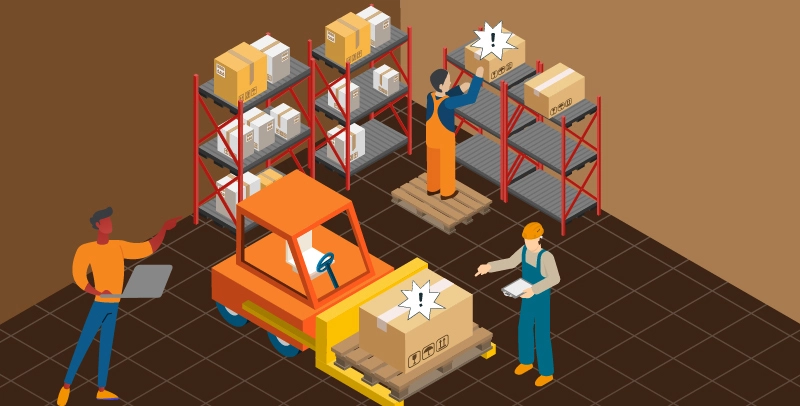
Consider a warehouse dealing with frequent damage to its racking systems. An automated warehouse system with real-time damage detection and inventory tracking can quickly identify these issues and record them accurately. The integrated claims management solution then facilitates a swift resolution, minimizing manual oversight and ensuring a more efficient claims process.

For third-party logistics (3PL) providers handling multiple clients, the benefits of an automated claims management system are even more pronounced. The system efficiently manages diverse claim scenarios, from minor product damages to significant operational disruptions, ensuring high service levels and client satisfaction.

Conclusion

Automated warehouse system are transforming how damage and claims are managed, offering significant improvements in efficiency, accuracy, and responsiveness. By leveraging advanced damage detection software, real-time inventory tracking, and integrated claims management solutions, warehouses can effectively address damage, streamline claims processing, and minimize operational downtime. This modernization not only enhances operational performance but also builds stronger customer relationships through reliable and efficient service.


Reach us to explore our advanced automated solutions and transform your damage and claims handling.

Container Inspection System: How Damage Detection Works

Container Inspection System

In the container management industry, the Equipment Interchange Receipt (EIR IN) phase is a crucial checkpoint where containers are inspected for damage before they continue their journey. For Logistics Managers, Depot Managers, Third-Party Logistics (3PL) Providers and Maintenance and Inspection Teams, ensuring accuracy and efficiency during this process is essential for maintaining smooth operations and customer satisfaction. Leveraging automated container inspection systems is revolutionizing depot management, offering significant benefits.

Why Automated Container Inspection Matters

The traditional manual inspection process, though reliable, can be labor-intensive and prone to human error. Automated container inspection systems address these issues by integrating cutting-edge technology to streamline and enhance the inspection process. These systems use automated damage detection tools to quickly and accurately assess the condition of containers, significantly reducing the time required for inspections and minimizing the risk of overlooking damages.

Key Benefits of Automated Damage Detection

  1. Enhanced Accuracy: Automated container inspection systems utilize high-resolution imaging and advanced algorithms to detect the smallest damages. This precision surpasses manual inspections, reducing the likelihood of missed damage and potential disputes. By integrating these tools, depots can ensure a more reliable container inspection system, which is crucial for maintaining operational integrity.
  2. Real-Time Reporting: One of the major advantages of automated inspection systems is their capability for real-time reporting. Once the damage is detected, the system immediately alerts all relevant stakeholders—customers, maintenance teams, and depot managers. This instant notification enables prompt action, resolving issues swiftly and preventing disruptions in the supply chain. Real-time updates also foster transparency, enhancing customer trust and satisfaction.
  3. Operational Efficiency: Automating the container inspection process allows depots to handle a higher volume of containers with greater efficiency. By reducing manual tasks and accelerating the inspection process, depots can boost overall productivity. This increased efficiency is particularly valuable in high-demand environments, where quick turnaround times are essential. The container depot management system can significantly contribute to this efficiency.
  4. Improved Customer Satisfaction: Transparent and timely communication about container conditions is crucial for building strong customer relationships. Automated systems that provide immediate feedback on inspection results help ensure customers are well-informed about the state of their containers. This proactive approach reduces disputes and enhances overall customer satisfaction.

Real-World Success Stories

Several industry leaders have already reaped the benefits of implementing automated container inspection systems. For example, a major logistics provider reported a 40% reduction in inspection time and a 30% decrease in damage-related disputes after adopting automated damage detection technology. Another case study highlighted a depot that experienced a 25% increase in operational efficiency and a significant boost in customer satisfaction due to the adoption of real-time reporting tools.

Conclusion

For Logistics Managers, Depot Managers, 3PL Providers, and Maintenance and Inspection Teams, adopting an automated container inspection system is a game-changer. By incorporating automated damage detection and real-time reporting, depots can enhance their operational efficiency and customer service. These technological advancements streamline the EIR IN process, ensuring accuracy, efficiency, and satisfaction. In a competitive container management industry, embracing these innovations is essential for staying ahead and delivering exceptional service.

Elevate your depot’s efficiency and accuracy with our automated container inspection solutions—contact us today to learn more!

Inbound Logistics Management: A Practical Guide for Warehouses

Inventory Management Systems

In today’s competitive business landscape, efficient inbound logistics solutions are essential for supply chain success. Managing the complexities of diverse product configurations, from bulk shipments to individual items, while maintaining accuracy and speed poses significant challenges. To overcome these hurdles and drive operational excellence, businesses are turning to advanced inventory management systems (IMS).

IMS is a software solution designed to streamline inventory tracking, storage and management. By automating various tasks, it helps businesses improve accuracy, reduce costs, and enhance overall supply chain efficiency. A robust IMS can also integrate seamlessly with your warehouse management system (WMS) to optimize space utilization and minimize storage costs.

Key Benefits of an Inventory Management System

  • Enhanced Inventory Visibility: Gain real-time insights into stock levels, locations, and movement, preventing stockouts and overstocking.
  • Improved Accuracy: Reduce human errors and discrepancies through automated data entry and tracking.
  • Cost reduction: optimize inventory levels, minimize carrying costs, and identify slow-moving items.
  • Faster Order Fulfillment: Streamline picking and packing processes, leading to quicker order turnaround times.
  • Better Decision Making: Leverage data-driven insights to make informed decisions about purchasing, production, and distribution.

Automated Warehouse Systems for Maximum Efficiency

To further optimize your warehouse operations, consider investing in automated warehouse systems. These systems utilize advanced technologies like robotics and artificial intelligence to automate tasks such as picking, packing, and transporting goods. By integrating with your IMS, automated warehouse systems can significantly improve productivity, accuracy, and space utilization.

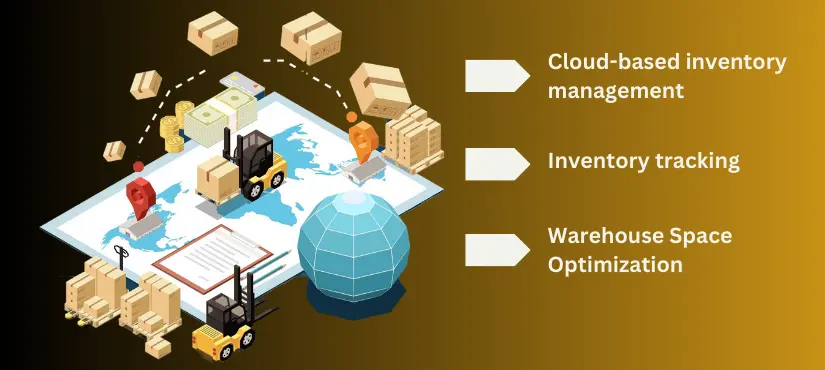
Cloud-Based Inventory Management for Scalability and Accessibility

Cloud-based inventory management offers several advantages over traditional on premise systems. It provides flexibility, scalability, and accessibility from anywhere with an internet connection. It is easy to keep track of shipments, manage your inventory, and collaborate in real-time teamwork.

Warehouse Space Optimization: Maximizing Your Investment

Efficient warehouse space optimization is essential for cost-effective operations. By leveraging advanced warehouse space optimization tools, you can identify areas for improvement and implement strategies to maximize storage capacity. A warehouse storage cost calculator can help you analyze the cost-effectiveness of different storage options and make data-driven decisions.

In conclusion, implementing a robust inventory management system coupled with automated warehouse systems and cloud-based technology can transform your supply chain operations. By optimizing inventory levels, improving accuracy, and enhancing efficiency, you can gain a competitive edge in the market.

Are you all set to take your inventory management to the next level? If so, reach out to us right now to find out how our solutions may assist you in accomplishing your company’s objectives.


Inbound and Outbound UOM: A Practical WMS Guide

Warehouse Inventory Management

Inventory management system (IMS) and warehouse management system (WMS) efficiency is critical for smooth operations and accurate inventory levels in the dynamic world of logistics and warehouse operations. To fulfill customer needs and optimize workflows, warehouse professionals and inventory control specialists must grasp the subtleties of inbound and outbound inventory procedures.

Managing Inbound Inventory with Accuracy

Inbound inventory management is the first step towards effective warehouse inventory management. When items arrive at the warehouse, they should be handled and processed carefully. Unit of Measurement, or inbound UOM, describes how the items are received in large shipments and subsequently divided into more manageable, smaller quantities for distribution and storage. For example, a shipment of goods may come in pallets and need to be sorted into smaller batches or individual pieces for order fulfillment or shelving.

A good WMS integrates these procedures by providing accurate tracking from the entry point to the storage site and real-time visibility into inbound shipments. By doing this, warehouse managers can minimise the chance of stockouts or overstock by maximising space utilisation and keeping correct inventory records.

Maintaining Precision in Outbound Inventory Management

Both operational effectiveness and customer happiness depend on outbound inventory operations. Choosing the right number of products for customer orders, packing them properly, and getting them ready for shipping are all part of outbound UOM. These processes are automated by an advanced WMS, guaranteeing that orders are filled correctly and on time. WMS improves inventory stock management and reduces errors in order fulfilment by utilizing barcode scanning and automated picking technology.

Advantages of Combined WMS and IMS Solutions

The strategic integration of IMS and WMS solutions offers numerous benefits:

1.    Enhanced Inventory Accuracy :

IMS and WMS systems reduce inconsistencies and guarantee accurate inventory counts by tracking inbound and outgoing inventory movements in real time.

2.    Optimized Warehouse Operations:

By optimizing workflows and reducing manual handling, effective inventory stock management maximizes space utilization and lowers operational expenses.

3.    Improved Customer Satisfaction:

Timely delivery and accurate order fulfillment promote customer satisfaction, which in turn encourages brand loyalty and goodwill.

4.    Data-driven Insights:

Through in-depth reporting and analytics, advanced IMS and WMS solutions offer useful insights. These data can be used by warehouse managers to estimate demand, optimize inventory levels, and pinpoint areas in need of operational enhancement.

Applications in the Real World and Case Studies

For instance, a top online shop uses a sophisticated IMS and WMS system to efficiently handle inbound shipments. The store makes sure that goods are available for order fulfillment, reducing delays and maximizing customer satisfaction, by precisely tracking and classifying inbound inventory.

In summary, in today’s competitive landscape, attaining operational excellence requires both warehouse management and effective inventory management. Warehouse managers can increase productivity, reduce expenses, and provide excellent customer service by incorporating sophisticated IMS and WMS systems that optimize inbound and outbound inventory procedures. Investing in the appropriate technology helps firms succeed in the long run by supporting present operations and establishing the framework for future growth.

Discover how our advanced IMS and WMS solutions can optimize warehouse operations and elevate your inventory management efficiency today!

Dynamic Job Types in Logistics: A Practical Guide

logistics and inventory management

Are you tired of juggling multiple systems and spreadsheets to manage your diverse logistics activities?

Do you crave a way to streamline workflows, boost efficiency, and keep your customers raving? Then look no further than dynamic job types – the secret weapon for mastering logistics in today’s dynamic landscape.

Imagine a centralized hub where you can categorize and manage everything from freight forwarding to warehousing and custom clearance. Dynamic job types offer more than just categorization – they provide a structured framework to revolutionize your entire workflow.

Think of it as your personal command center for operational excellence.

Here’s how dynamic job types empower your logistics game:

  • Standardized Processes:

    Say goodbye to confusion! Dynamic job types ensure a consistent way to define and manage tasks across your entire operation. This applies to everything from freight forwarding to customs clearance, fostering clarity for your team and minimizing errors.

  • Turbocharged Efficiency:

    Forget wasting time chasing down information. By centralizing job type definitions, you can seamlessly integrate them with line items, job statuses, documents, and terms and conditions. This translates to faster task assignment, smoother execution, and ultimately, lightning-quick turnaround times for your customers.

  • Unleash Your Agility:

    The beauty of dynamic job types lies in their flexibility. You can create custom job types tailored to specific customer needs. Need to handle a unique type of cargo for a special project? No problem! This allows you to adapt your services on the fly, catering to diverse requirements and keeping your customers happy.

  • Streamlined Operations from Dock to Door:

    Imagine a system where everything is interconnected. Dynamic job types break down data silos by integrating with other crucial aspects of your logistics operations, including supply chain management and inventory control. This ensures a smooth flow of information, leading to better decision-making and a well-oiled logistics machine.

The benefits go beyond streamlining workflows.

Dynamic job types empower your logistics team to achieve:

  • Increased Agility:

    Respond faster to market shifts and customer demands with the ability to customize job types for any situation.

  • Sharpened Competitive Edge:

    Streamlined operations and boosted efficiency give you a clear advantage in the fast-paced world of logistics.

  • Enhanced Control:

    Gain a centralized view of all your logistics activities, allowing you to make informed decisions and optimize every step of the supply chain and inventory management process.

By leveraging the power of dynamic job types, you can unlock a new era of operational excellence.It’s a revolution waiting to happen, and it’s all about mastering the art of logistics through streamlined workflows. This system can be your game-changer, transforming you from a logistics manager to a logistics maestro, conducting a flawless symphony of freight forwarding, warehousing, and seamless deliveries. Are you ready to take your logistics operations to the next level?

Contact us for a free demo of our logistics management system and see how it can revolutionize your workflows.

Two-Factor Authentication in Logistics: A Practical Guide

Two-Factor Authentication

Two-Factor Authentication

Global trade rides on the rocket fuel of secure logistics, but in the Wild West of the digital world, cyber threats lurk around every corner. Two-Factor Authentication (2FA) is the superhero we’ve been waiting for, revolutionizing supply chain integrity and user access control across various systems:

  • User Management System (UMS):

    Fortify your UMS with 2FA. By requiring a second verification factor beyond passwords, you significantly reduce the risk of unauthorized access, even if hackers steal credentials. This safeguards sensitive user data and ensures system integrity.

  • Customer Management System (CMS):

    Protect customer data within your CMS. 2FA adds an extra layer of security during logins, safeguarding confidential customer information and fostering trust.

  • Transportation Management System (TMS):

    Secure critical logistics data within your TMS. 2FA prevents unauthorized access to shipment details, carrier information, and other logistics-sensitive data, minimizing disruptions and ensuring smooth operations.

  • Freight Forwarding System (FFS):

    Elevate security in your FFS. 2FA safeguards access to shipment quotes, bookings, and tracking details, protecting both your business and your clients.

  • Warehouse Management System (WMS):

    Reinforce security in your WMS. 2FA safeguards access to inventory data, order fulfillment processes, and warehouse operations, minimizing errors and disruptions.

  • Depot Management System (DMS):

    Bolster security within your DMS. 2FA secures access to depot inventory, movement of goods, and other critical data, preventing unauthorized changes and maintaining operational efficiency.

Benefits Across the Supply Chain:

2FA goes beyond just verifying identities. It protects sensitive data, fosters trust among partners (distributors, suppliers, customers), and strengthens collaboration within the supply chain ecosystem.

Staying Ahead of Threats:

Cybersecurity threats constantly evolve. By implementing 2FA alongside best practices, logistics businesses can build operational resilience and stay ahead of hackers.

The Power of 2FA in Logistics:

  • Enhanced Security: 2FA significantly reduces the risk of unauthorized access to critical systems and data.
  • Streamlined Operations: Secure access ensures smooth warehouse operations, on-time deliveries, and efficient freight forwarding.
  • Increased Trust: 2FA fosters trust with partners and customers, strengthening collaboration within the supply chain.
  • Improved Resilience: By fortifying various logistics systems, 2FA strengthens the overall supply chain against evolving security threats.

Embrace 2FA for a Secure Future:

2FA is a powerful tool for any logistics software system. By implementing it effectively, you can safeguard your infrastructure, data, and reputation. Embrace 2FA, navigate the complexities of the digital world with confidence, and ensure the continued success of your logistics operations.

Stop Unauthorized Access! Secure Your Supply Chain with Double Authentication Now. 

Warehouse Management Systems: A Guide for Global Logistics

Warehousing In Logistics And Supply Chain Management

When considering today’s fast-paced logistics environment, the role of third-party warehouse management has become increasingly critical for businesses seeking to enhance operational efficiency and to meet customer demands promptly. Crucial to this endeavor is the utilization of 3PL warehouse management software, which offers a plethora of benefits aimed at optimizing inventory fulfillment services.

Advanced Inventory Tracking and Demand Forecasting

At the core of 3PL warehouse management software lies sophisticated warehouse management systems (WMS). These systems provide businesses with real-time visibility into inventory levels, enabling accurate demand forecasting and improving overall logistics efficiency. By leveraging WMS, businesses can make informed decisions regarding inventory optimization, ensuring that stock levels align easily with customer demands.

Enhanced Process Efficiency with Automated Systems

Moreover, 3PL warehouse management software integrates the automated warehouse logistics solutions, which includes Automated Material Handling Systems and RFID technology. These systems streamline processes, minimize errors, and enhance operational efficiency. Automated Material Handling Systems expedite goods handling processes, while RFID/Barcode technology enables precise tracking throughout the supply chain, reducing the likelihood of stock outs and overstock situations.

Scalability and Flexibility for Dynamic Demands

The scalability and flexibility offered by 3PL warehouse management software are invaluable for businesses operating in dynamic market environments. With customizable solutions and adaptable infrastructure, these software solutions enable businesses to respond promptly to fluctuating demand patterns and seasonal variations. This flexibility ensures optimal resource allocation and operational efficiency, even amidst evolving market conditions across the globe.

Seamless Coordination and Transparency

Integration with supply chain technologies further enhances the capabilities of 3PL warehouse management software, facilitating seamless coordination between stakeholders involved This integration fosters transparency and agility across the supply chain, enabling businesses to respond swiftly to market dynamics and customer requirements. Additionally, customer portals provide stakeholders with real-time access to critical information, promoting effective communication and collaboration.

In summary, the advantages of utilizing 3PL warehouse management software for inventory fulfilment services are manifold. From optimizing inventory tracking and demand forecasting to enhancing process efficiency and supply chain visibility, these software solutions empower businesses to achieve operational excellence. Embracing third-party warehouse management services and advanced technologies is vital for businesses looking to thrive in today’s competitive logistics landscape.

Ready to revolutionize your inventory fulfilment processes? Discover the transformative potential of 3PL warehouse management software today!

Reverse Logistics Management: A Guide to Returns Handling

Reverse Logistics Management Software

Mastering Reverse Logistics in Supply Chain Management is Benefiting Businesses.

A seamless returns policy and process is critical for customer satisfaction and business growth in today’s competitive e-commerce scenario. However, managing returned goods can be a complex challenge for logistics providers. This is where reverse logistics management comes in, and forward-thinking companies are taking to it.

Reverse logistics solutions providers, leveraging innovative Reverse logistics management software, are leading the industry in streamlining the returns process while minimizing environmental impact. Sustainable initiatives are at the forefront of this movement, ensuring responsible disposal and maximizing the value of returned products, contributing to significant waste reduction efforts.

What is Reverse Inventory Management?

Reverse inventory management refers to the systematic handling of returned goods, often from end consumers. The goal is to optimize the value of these returned items while minimizing waste. This encompasses various processes within the reverse logistics process, including:

  • Efficient inspection and sorting of returned items
  • Refurbishment of salvageable products
  • Reintegration of these products back into inventory or resale channels
  • Responsible disposal of unusable items

The Importance of Reverse Inventory Management

Effective reverse inventory management, supported by reverse logistics management software, offers a multitude of benefits for logistics companies:

  • Enhanced Customer Satisfaction:A smooth and efficient returns process builds trust and loyalty with customers.
  • Reduced Costs:Streamlined workflows minimize processing times and resource allocation for returned goods.
  • Increased Revenue:Refurbished products can be resold, creating a new revenue stream.
  • Improved Sustainability:Responsible disposal and product lifecycles minimize environmental impact.

Store’n Ship  Fast Logistics Software: Your Reverse Inventory Management Solution

Store’n Ship  Fast recognizes the growing importance of reverse logistics in today’s supply chain. Our innovative reverse logistics management software streamlines the entire reverse inventory process, empowering you to:

  • Automate workflows:Automate tasks like return authorization requests, tracking returned items, and managing inspections.
  • Gain real-time visibility:Track the location and status of returned goods in real-time for faster decision-making.
  • Leverage data insights:Analyze return trends to identify root causes and implement strategies to minimize future returns.
  • Optimize processes:Our software integrates seamlessly with existing systems, optimizing the entire reverse logistics process.

Conclusion

By implementing effective reverse inventory management strategies and leveraging innovative reverse logistics management software, as found in Store’n Ship  Fast, you can transform your returns process into a competitive advantage. Improved customer satisfaction, reduced costs, and a more sustainable operation are all within reach. Join the industry leaders in embracing sustainable practices and revolutionising your reverse logistics with Store’n Ship Fast! Contact us today to learn more.

Quotation Comparison: A Practical Guide for Logistics Teams

Quotation Comparison

In our fast-paced business world efficient procurement processes stand as crucial factors for driving cost savings and optimizing operations. Among these processes, quotation comparison emerges as a strategic endeavor that empowers businesses to make informed decisions while maximizing value. By meticulously soliciting and evaluating quotes from multiple vendors, logistics companies can deploy smart saving strategies to enhance efficiency and achieve their operational goals.

Strategic Decision-Making Through Quotation Comparison

Quotation comparison serves as a cornerstone of logistics procurement, enabling organizations to meticulously assess various factors such as pricing, terms, quality, and reliability. By casting a wide net and soliciting quotes from multiple vendors, logistics companies gain invaluable insights into the market landscape. This comprehensive evaluation process not only ensures transparency and accountability in vendor selection but also does the groundwork for successful partnerships tailored to specific needs.

Driving Cost Savings and Value Optimization

Moreover, the practice of quotation comparison fosters healthy competition among suppliers. This competitive dynamic incentivizes vendors to offer competitive pricing and better terms to secure contracts, ultimately benefiting logistics companies. By providing cost-effective solutions, the comparison process creates an opportunity for negotiation, empowering organizations to leverage competing quotes to secure favourable terms and pricing that align with their operational requirements and strategic objectives.

Leveraging Technology for Streamlined Procurement

However, effective quotation comparison extends beyond solely selecting the lowest-priced option. While cost-effectiveness remains paramount, logistics companies must also weigh qualitative factors such as quality, reliability, and service levels. By prioritizing these aspects alongside cost considerations, organizations ensure that their procurement decisions align with their predominant goals of efficiency and operational excellence.

Enhancing Procurement Practices Through Collaboration and Continuous Improvement

Technological advancements play a pivotal role in streamlining the quotation comparison process and enhancing efficiency, and accuracy. Advanced algorithms, fueled by artificial intelligence and machine learning, enable logistics companies to automate tasks such as collecting and analyzing quotes from multiple vendors. These sophisticated algorithms swiftly sift through vast amounts of data, identify relevant quotes based on specified criteria, and provide actionable insights to decision-makers. By embracing technology-enabled solutions like quote management software, logistics companies can save time, reduce manual errors, and make more informed procurement decisions.

Navigating Procurement with Confidence and Success

In addition to implementing smart saving strategies and leveraging technology for quotation comparison, logistics companies can further optimize their procurement processes by fostering collaboration and continuous improvement. By encouraging open communication, conducting regular reviews and assessments, and staying agile and adaptable, organizations can navigate through the complexities of the procurement landscape with confidence for long-term success.

Ready to streamline your procurement process and maximize cost savings? Contact us to learn more.

Vendor RFQ Collaboration: A Practical Guide for Logistics Teams

RFQ Management Software

In the competitive, expansive, vigorous world of logistics and transportation, fostering strong partnerships with vendors is crucial for sustaining success. A powerful tool in achieving this is the Request for Quotation (RFQ). By leveraging RFQs, logistics companies can not only streamline their procurement processes but also strengthen their relationships with vendors, driving efficiency and innovation.

An RFQ serves as a formal document outlining specific product or service requirements, quantity needed, desired delivery timeline, and any special terms or conditions. It provides clear instructions for vendors on submitting quotations, including the deadline and preferred format. This ensures transparency and fairness in the vendor selection process.

The significance of technology in RFQs cannot be overstated. The software has integration capabilities with existing systems, scalability for future needs, security features, flexibility for customization, and a user-friendly interface, which are all essential aspects of this tool. These elements ensure that the selected vendor not only meets technological requirements but also provides comprehensive support for successful implementation and utilization.

Service focus areas in RFQs encompass implementation, deployment, training, maintenance, and consulting for process optimization. These services are vital for ensuring smooth operations and driving efficiency within the organization’s procurement and logistics operations.

Maintaining open communication channels for clarification and addressing inquiries is key to a smooth RFQ process. Additionally, defining payment terms and any legal or contractual obligations helps streamline the process further.

To optimize RFQ processes, it’s essential to adhere to best practices and guidelines. This includes using RFQ templates, following RFQ process guidelines, understanding RFQ requirements, and ensuring proper RFQ submission and evaluation.
For example, logistics companies can provide a clear RFQ format and offer examples to vendors for better understanding.

To conclude, RFQs play a vital role in logistics operations by facilitating transparent and procurement for efficient vendor selection processes. By leveraging technology, focusing on collaborative vendor relationships, and adhering to best practices, logistics companies can derive innovation and efficiency in their operations. This supports ultimately delivering value and staying ahead in the competitive market. Optimize your logistics operations with RFQ collaboration. Contact us to get started!

Warehouse Management System: A Guide for Logistics Teams

Logistics and Warehouse Management ERP software

In the dynamic landscape of ERP, Logistics, and Service industries, the strategic management of approvals stands as a key to operational success. Tailoring strategies to the unique challenges of each sector is crucial, and several key approaches pave the way for effectiveness.

Seamless Integration with ERP Systems

For ERP Managers and Administrators, a critical step toward success is ensuring the approval solution seamlessly integrates with ERP systems. Unified workflows bridge the gap between approvals and broader organizational functions, enhancing efficiency and fostering cohesion in the business.

Automate for Efficiency

Automation emerges as a key strategy across industries, in optimizing approval systems in the ERP, Logistics, and Service sectors. Organizations can save valuable time and resources by automating approvals for routine tasks, minimizing errors, reducing time, and allowing teams to focus on strategic initiatives.

Real-Time Visibility in Logistics

In Logistics and Warehouse Management, real-time visibility is a game-changer. Logistics Managers benefit from constant updates on approval statuses, enabling proactive decision-making and minimising delays. This real-time insight enhances overall supply chain efficiency.

Customisation for Diverse Scenarios

Recognizing the diverse needs of different industries, approval management systems must offer customization options. For Business Process Analysts and Operations Managers, this flexibility ensures adaptability to various approval scenarios, fostering scalability.

Intuitive User Interface for Service Industries

Service Industry Executives and business owners benefit from an intuitive user interface. Positive user experiences are pivotal for easy submission and tracking of approvals. Training and Development Managers play a role in ensuring employees are well-versed in handling the system.

Strategic Training and Development

Empowering users through strategic training is essential. Training and Development Managers play a vital role in ensuring teams, from Executives to Business Owners, are equipped with the necessary skills to navigate the approval management system effectively.

Analytics and Reporting for Informed Decision-Making

Business Process Analysts and Executives find value in robust analytics and reporting features. Data-driven insights into approval solutions provide a foundation for strategic decision-making, enhancing overall operational strategies.
In India, where logistics play a pivotal role, streamlining approval processes is important. Real-time visibility and tracking in logistics are critical for success. By streamlining approvals with automation, organizations in the Logistics and ERP sectors can optimize their processes, fostering transparency, efficiency, and adaptability.

In service industries, the focus remains on user-centric design and strategic training, ensuring a seamless approval management experience. These strategies collectively contribute to mastering approval management, and unlocking the operational excellence of the organisation.

Connect with us, and we’ll empower you to elevate your support for logistics and warehousing management.

Automated Escalation Management: A Logistics Guide

Escalation Management System in Logistics

In the competitive world of transport and logistics, where timely and efficient operations are crucial, effective issue resolution is of paramount importance. Implementing an Automated Escalation Management System, featuring a dedicated module , plays a key role in ensuring critical matters are promptly addressed, expediting the resolution process, and fostering better communication within the team and organization.

How Automated Escalation Management System Operate:

These solutions function as modules within the logistics and shipping industry’s ERP software. Integrated into a comprehensive Logistics ERP Software, they identify potential issues and automatically route them through predefined escalation paths. Here’s a streamlined overview of their operation

Identification of Issues:

The system continuously monitors logistics operations, tracking shipments, managing inventory levels, and monitoring delivery timelines. Anomalies or potential issues trigger the escalation process.

Automatic Routing:

Automated Escalation Management Software, acting as a module, directs the identified issues through predefined paths, ensuring timely alerts to the right stakeholders or departments based on the nature and severity of the problem.

Triggering Real-time Notifications:

Automated alerts and notifications are dispatched to logistics managers, warehouse managers, transport managers, and key personnel, ensuring swift and coordinated action.

Hierarchy-Based Escalation:

Configured to escalate issues to higher authorities if unresolved within a specified timeframe, the system, as a dedicated module, showcases best practices in Escalation Management.

Tracking and Reporting:

The module/software meticulously tracks the entire escalation process, documenting steps and timeframes. This data is invaluable for trend analysis, identifying recurring issues, and continuously improving the logistics workflow.

Five Benefits of Automated Escalation Management System in the Logistics Industry:

Proactive Issue Resolution:

Leveraging these solutions, acting seamlessly as modules, allows proactive identification and resolution of potential issues, averting major disruptions.

Enhanced Communication:

Stakeholders are promptly kept informed in real-time, fostering improved communication and collaboration in addressing challenges and resolving issues.

Risk Mitigation:

Early identification of potential risks enables taking proactive measures, thus mitigating impacts on logistics operations and preventing costly disruptions.

Improved Customer Satisfaction:

Integration of these solutions, serving as dedicated modules, demonstrates a commitment to customer service, leading to heightened customer satisfaction and loyalty.

Maintain Service Levels:

In time-sensitive industries like logistics, maintaining service levels is crucial. Automated escalation management ensures disruptions are minimized, and service commitments are consistently upheld.

The Automated Escalation Management System, with a dedicated module focus, is a transformative force for the industry. This application not only streamlines issue resolution but also contributes to enhanced communication, risk mitigation, and ultimately, improved customer satisfaction. Adopting it is a proactive stride toward ensuring the seamless and efficient functioning of the logistics operations of the organization.

To elevate your logistics operations, embrace today our Automated Escalation Management Solution. Learn how our modules revolutionize issue resolution and enhance communication for positive results.